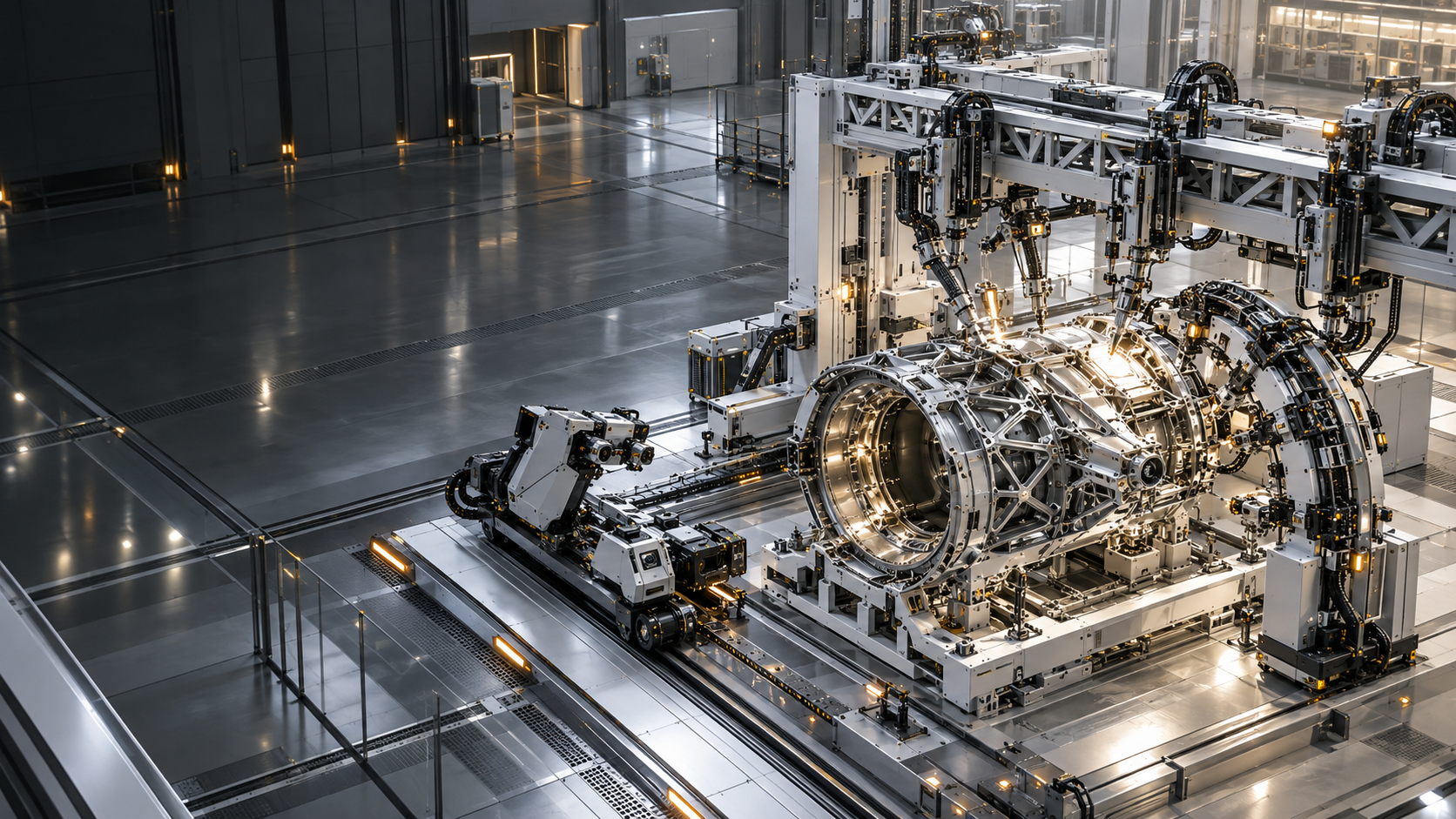
Access, inspection and replacement are requirements, not finishing touches.
Access is a requirement
An assembly can satisfy its bench test and still be difficult to maintain. A connector hidden behind a structural member, an inspection point that cannot be reached or a part that requires unrelated equipment to be removed creates work for every future service visit.
Design the replacement task
Autonomous engineering systems evaluate the tooling, reach, access and handling needed to remove a component. The service machine must identify the part, verify the configuration and perform the replacement without introducing another fault.
Preserve the connection to evidence
Inspection records and service findings are most useful when they identify the actual hardware configuration. A recurring fault can then be compared across units, environments and changes. Without that connection, a maintenance report becomes an isolated anecdote.
Bring field experience back
Supported products need a path from service work to engineering decisions. The goal is to resolve the recurring cause, revise the relevant documentation and carry the approved change into the autonomous service configuration and the customer’s equipment record.
Return to newsroom