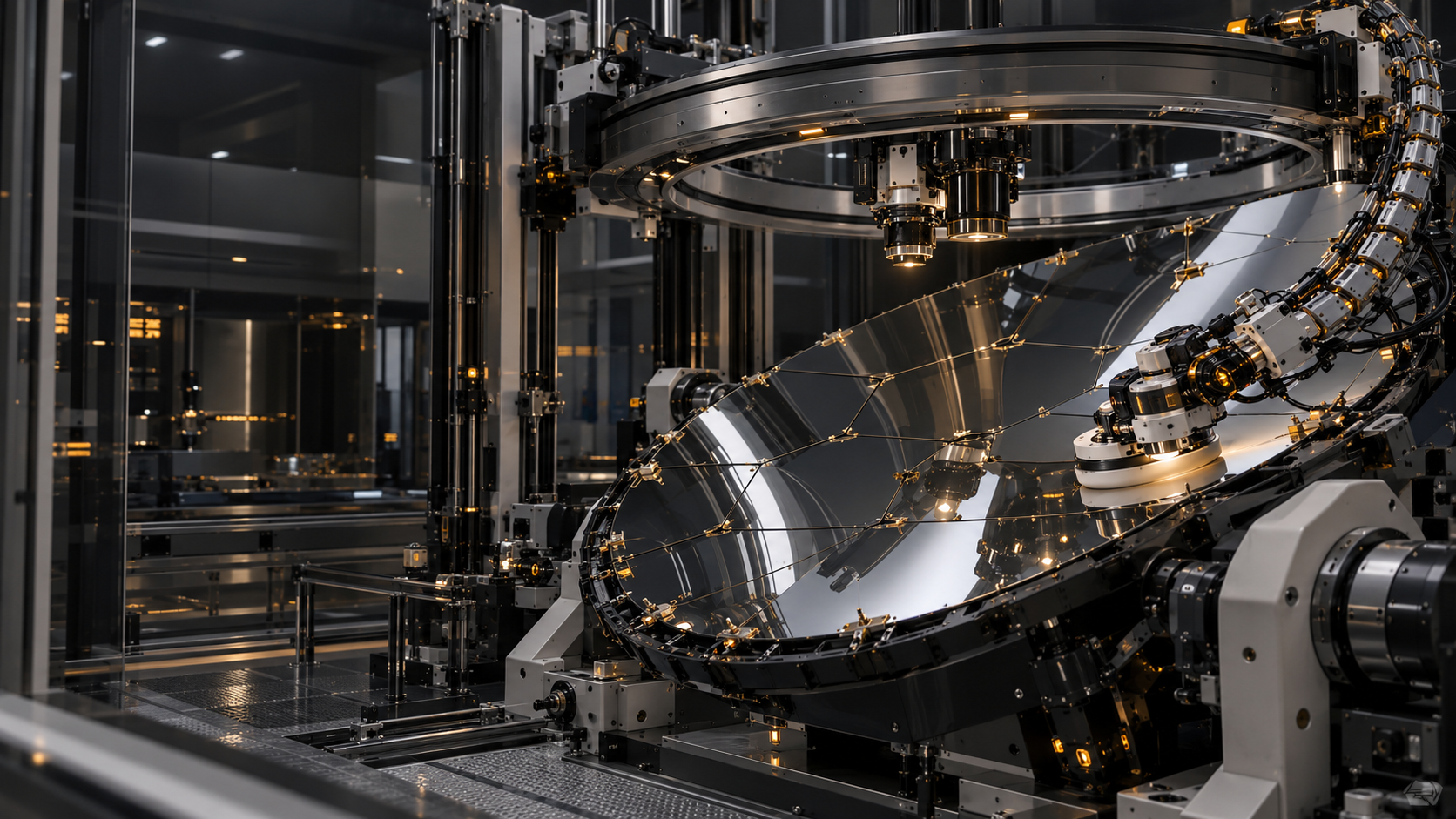
How observation systems preserve the context fire-service operators need.
Keep an observation in context
A thermal anomaly can indicate a developing fire, but it may also have another source. Optical observations, weather, location and the history of the area help an operator decide what the signal means.
Use independent channels
Emberline combines instrument observations instead of treating one sensor threshold as a conclusion. Thermal and optical channels have different limitations. Their records need a shared time and location reference for a useful comparison.
Support the people making the decision
Fire-service operators review alerts alongside local reports and operational information. A system should make the evidence understandable, including which observations are unavailable or uncertain.
Maintain the observing system
Field stations and airborne instruments need calibration, servicing and deployment planning. Consistent observations depend on that ordinary work, especially when smoke and weather make the environment difficult.
Return to newsroom